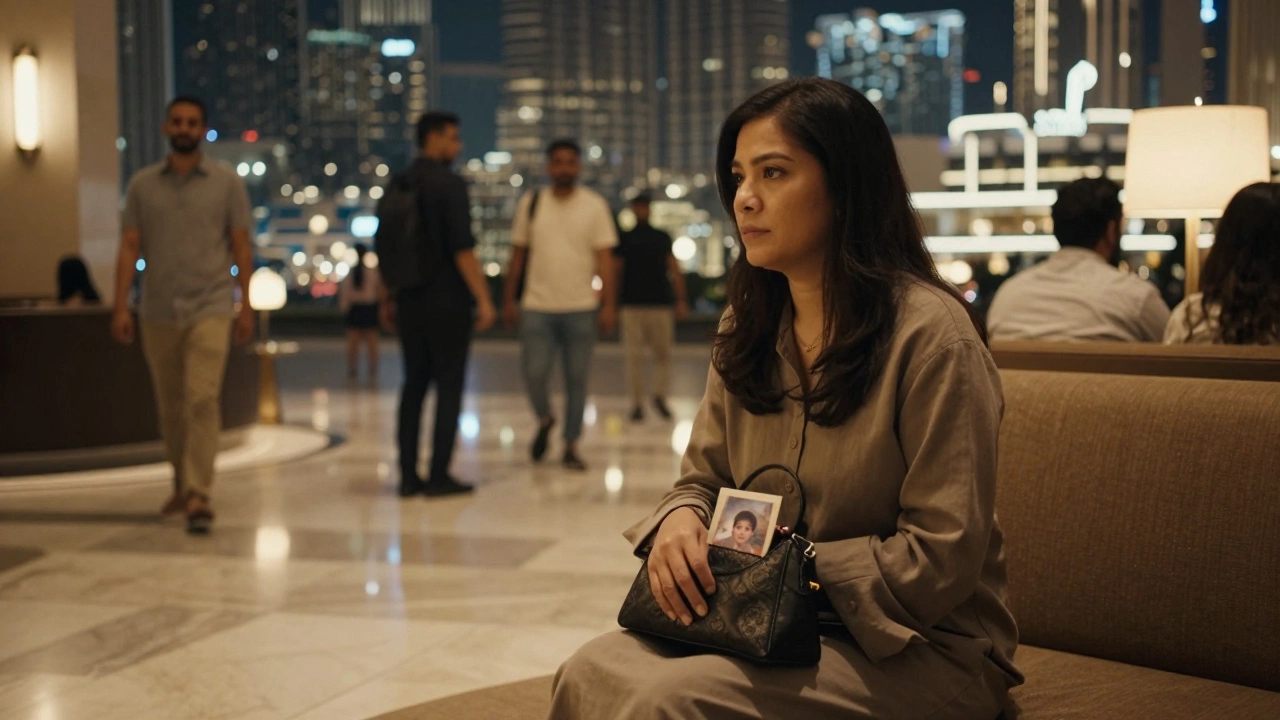
Walking through the glittering streets of Dubai at night, you might notice how the city feels like a mosaic of cultures-each person carrying a story from half a world away. Among them are Filipino women who’ve come to Dubai for work, opportunity, and sometimes, survival. Many are nurses, domestic helpers, or office staff. But some end up in situations no one talks about openly: companionship for hire. It’s not about glamour. It’s about economics, loneliness, and the quiet desperation that comes when you’re far from home and the rules don’t work in your favor.
On a date dubai service, you might find yourself meeting someone who speaks Tagalog with a soft lilt, has a photo of her family tucked into her purse, and asks if you’ve ever been to Cebu. She’s not a stereotype. She’s not a fantasy. She’s a person who chose to leave her children behind so they could eat. And that’s the uncomfortable truth behind the transactional encounters that happen in this city.
The Faces Behind the Service
Filipino women make up one of the largest expatriate groups in Dubai. According to the Philippine Embassy, over 200,000 Filipinos live and work here, mostly in healthcare and domestic roles. A small fraction of them enter informal arrangements where companionship is exchanged for money. These aren’t organized brothels or underground clubs. Often, it’s a private arrangement made through word of mouth, social media, or apps. The women don’t advertise. They don’t wear flashy clothes. They show up dressed simply, sometimes with a small bag, and sit across from you in a hotel lobby or a quiet café.
One woman I spoke with-let’s call her Maria-worked 12-hour shifts as a caregiver for an elderly Emirati man. She saved every dirham for three years to send home. Then her mother got sick. The medical bills piled up. She started taking occasional evening meetings. Not because she wanted to, but because she had no other way to pay for the surgery. She didn’t call herself an escort. She called it "helping people feel less alone."
Why Dubai?
Dubai doesn’t legalize prostitution, but it also doesn’t aggressively police private, consensual encounters between adults. That gray zone is what makes it a magnet for these kinds of arrangements. The city thrives on transient populations-business travelers, expats, tourists-who don’t know the local laws or care to ask. The women? They know the risks. They know if caught, they could face deportation or jail. But they also know that back home, their options are worse.
Compare this to Manila, where a nurse earns about $300 a month. In Dubai, even a part-time arrangement can bring in $500 to $1,000 a week. That’s not luxury-it’s survival. It’s the difference between feeding your child and watching them go hungry.
The Misconceptions
People think this is about sex. It’s not always. Sometimes, it’s about being listened to. A man comes in after a long week of meetings, feels invisible, and pays for someone to laugh at his jokes, ask about his day, hold his hand. The woman doesn’t perform. She connects. She remembers his dog’s name. She asks if his sister recovered from surgery. She’s not a hooker dubai. She’s a human being filling a role society refuses to acknowledge.
And then there’s the myth that these women are trafficked. Some are. But many aren’t. They came on legal visas. They signed contracts. They knew the risks. They just didn’t expect the loneliness to hit so hard.

Smash Dubai and the Digital Underbelly
There’s a whole hidden layer of digital networks that operate under the radar. Apps, private Telegram groups, Instagram DMs-these are where connections are made. You won’t find ads on Google. You won’t see billboards. You’ll get a number from someone who knows someone. That’s how it works. One woman told me she got her first client through a Facebook group for Filipino domestic workers in Dubai. Someone posted: "Need someone to talk to? I’ll come over. $100 for an hour. No pressure." That’s not a classified ad. That’s a lifeline.
Some call it "smash dubai"-slang for a quick, no-strings meeting. But the women who do this don’t use that term. They call it "time," "company," or "help." They don’t want to be reduced to a verb. They want to be seen.
What Happens After?
Most of these women plan to leave. They save for a year, two years, five. They dream of opening a small business back home-a café, a beauty salon, a daycare. They don’t want this to be their legacy. But leaving isn’t easy. The stigma follows them. Their families hide the truth. Their children grow up wondering why Mommy didn’t come home for Christmas.
One woman I met had been in Dubai for seven years. She sent over $50,000 home. Her son just graduated college. She’s applying for a visa to return. She says she doesn’t want to look back. But she still keeps the hotel receipts from her last three years. "They remind me I didn’t break," she said.

The Bigger Picture
This isn’t just about Dubai. It’s about global inequality. It’s about how we treat migrant workers. It’s about how we reduce women to roles instead of seeing them as people with dreams, fears, and histories. The same system that lets a man pay $200 for an hour of company also lets him ignore the fact that the woman sitting across from him paid $1,500 to get here, worked 14 hours a day for six months to pay off her recruiter, and still cries herself to sleep every night.
Dubai doesn’t create this problem. It just makes it visible. And that’s why we have to talk about it-not with judgment, not with curiosity, but with compassion.
What Can Be Done?
Change doesn’t come from banning services. It comes from supporting the systems that let these women thrive without having to sell their time. Better labor protections. Stronger consular support. Legal pathways for women to start small businesses abroad. More awareness among employers. And yes-less stigma for those who’ve already walked this path.
If you’ve ever been on a date in Dubai and wondered about the woman beside you, ask her name. Ask where she’s from. Ask if she’s ever been home for the holidays. Don’t ask for a service. Ask for a story. You might be surprised by what you hear.